The Importance of Choosing the Right Orthodontist for Your Smile Journey
Selecting the right orthodontist is a critical choice in attaining an ideal smile. This selection impacts not only the effectiveness of the treatment but also the overall experience. A skilled orthodontist understands individual needs and adapts plans appropriately. Moreover, their ability to convey information clearly can considerably enhance patient comfort. As the process progresses, the significance of this selection becomes progressively evident, generating questions about what qualities truly matter in an orthodontic specialist.
Why Picking the Right Orthodontist Makes a Difference for Your Smile
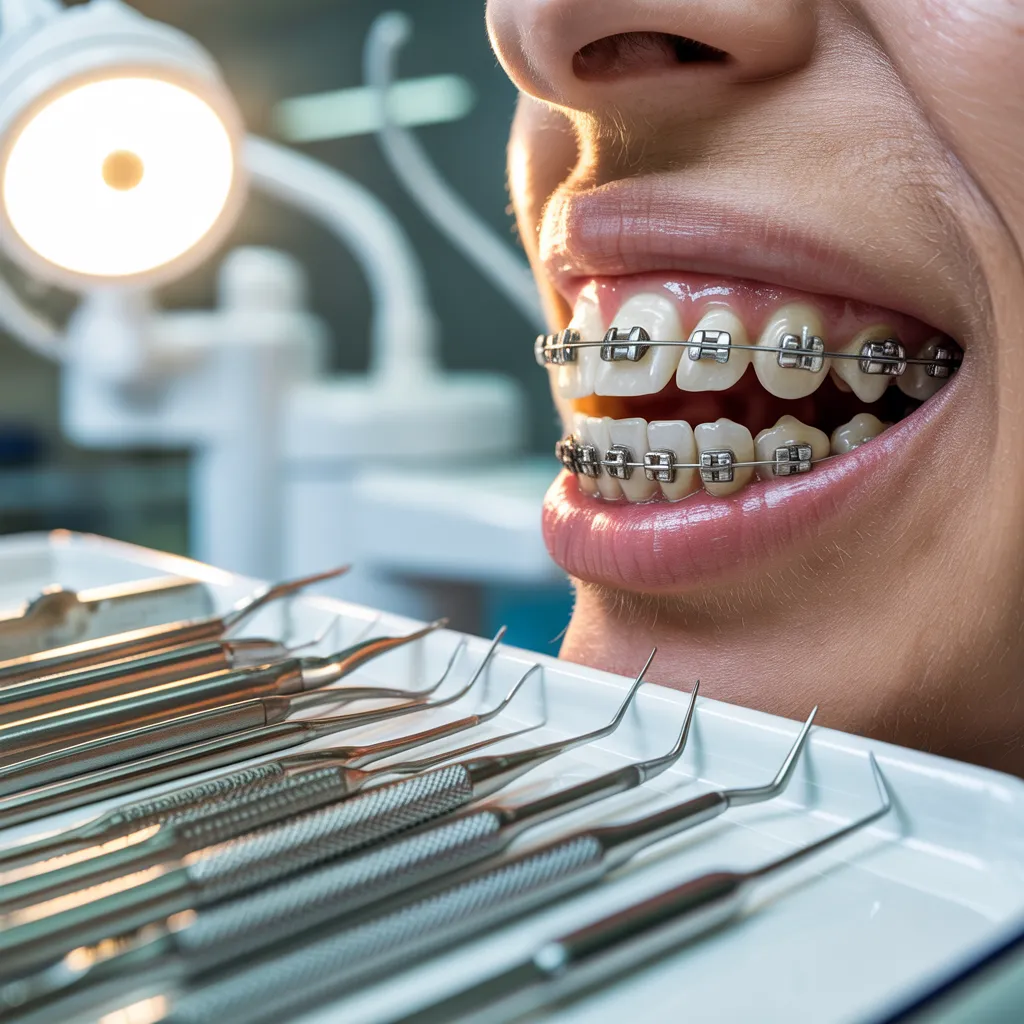
Picking the best orthodontist is vital, as a talented professional can greatly influence the outcome of one's smile. The process to reaching a perfect smile encompasses not only technical expertise but also a deep understanding of personal needs. An experienced orthodontist utilizes tailored treatment plans, ensuring that each patient receives personalized attention based on their distinctive dental structure.
Additionally, the selection of orthodontist impacts not only the effectiveness of the treatment but also the entire experience. A caring and attentive orthodontist fosters a positive environment, allowing patients to voice concerns and seek answers throughout the course of treatment.
Furthermore, the right orthodontist remains current with the newest developments in orthodontic methods and technology, which can lead to more effective and efficient treatments. Ultimately, selecting a competent orthodontist is a crucial step toward achieving a radiant, healthy smile that can enhance confidence and enhance quality of life.
Important Qualities to Seek in Your Orthodontist
Achieving a positive orthodontic outcome depends on recognizing essential qualities in a qualified orthodontist. For starters, a comprehensive educational background along with relevant credentials is necessary, ensuring the orthodontist is well-trained and knowledgeable about the latest techniques. Next, effective communication skills are vital; the orthodontist should be able to explain treatment options clearly and address any patient concerns.
Furthermore, a caring and patient-focused methodology can considerably elevate the experience. An orthodontic specialist who values patient input fosters reliability and reassurance throughout the duration of care. Furthermore, a welcoming and well-organized practice environment reflects dedication to quality care and regard for patients' schedules.
Additionally, consider the presence of cutting-edge technology and treatment methods. An orthodontist who welcomes new techniques is positioned to deliver higher quality and streamlined treatment. By considering these important attributes, people can arrive at well-considered decisions, contributing to a truly fulfilling orthodontic process.
How Expertise and Specialization Affect Orthodontic Results
Expertise and specialization are fundamental elements in influencing the outcomes of orthodontic treatment. An orthodontist with extensive experience is well-positioned to manage challenging cases successfully, minimizing complications and improving results. Their proficiency with a wide range of techniques and technologies facilitates a personalized approach designed around each patient's specific requirements.
Focusing on orthodontics as a specialty significantly improves care quality. Orthodontists who concentrate entirely on this discipline remain current on cutting-edge progress, guaranteeing they utilize the most efficient approaches. This level of knowledge may produce more precise assessments and personalized treatment approaches that improve both form and function.
Additionally, a qualified orthodontist can readily detect potential concerns during the course of treatment, making timely adjustments that can substantially affect the final outcome. In the end, choosing an orthodontist with a well-documented history of results and specialization is essential for attaining a radiant and healthy smile, as their abilities and understanding significantly influence the efficacy of the treatment.
Selecting Your Orthodontic Treatment
What aspects should be taken into account when selecting an orthodontic treatment? To begin, the type of dental misalignment is a crucial factor. Various options, such as conventional metal braces, ceramic braces, and invisible aligners, accommodate diverse requirements and preferences. The severity of the condition also affects the choice of treatment; greater misalignment problems may call for specialized techniques. Next, the length of treatment is a key consideration. Individuals frequently prefer a timeframe that accommodates personal commitments or aesthetic concerns.
Expense is one more crucial factor, as orthodontic procedures can fluctuate considerably in expense. Insurance benefits may also play a role in decision-making. Furthermore, individual personal preferences, including diet-related restrictions and care routines, should be assessed. Finally, speaking with an orthodontist can provide insights into the most appropriate and efficient treatment choices based on a patient's individual dental needs. This comprehensive assessment ensures that people embark on a successful orthodontic journey.
How Comfort and Communication Play a Key Role in Your Orthodontic Journey
Upon starting an orthodontic journey, comfort and communication stand out as critical elements that considerably shape the overall experience. A patient's relaxation in the orthodontic office can considerably affect their openness to committing to treatment. An inviting atmosphere, along with a caring team, promotes trust and relaxation, helping appointments feel more approachable.
Clear communication is just as important. An orthodontist who carefully attends to patient concerns and thoroughly explains treatments ensures that patients feel respected and heard. This openness works to reduce anxiety and fosters a cooperative dynamic, where patients are more inclined to follow their treatment plans.
Additionally, a solid rapport between the orthodontist and patient can result in improved outcomes. When patients are at ease expressing their concerns and desires, orthodontists can adjust their treatment approach to satisfy each patient's needs. Fundamentally, focusing on communication and comfort creates the basis for a productive orthodontic treatment, elevating both results and satisfaction.
What You Can Expect at Your First Orthodontist Consultation?
During the first consultation with an orthodontist, individuals can anticipate a comprehensive assessment of their oral health and dental alignment. This initial visit generally includes a comprehensive examination of the facial structure, teeth, and jaw alignment. The orthodontist might collect dental impressions, X-rays, and photographs to assess the individual's specific dental condition.
After the evaluation, the orthodontic specialist will go over possible treatment plans tailored to the unique needs of the individual. This encompasses an discussion of the range of orthodontic appliances available and the approximate length of treatment. Individuals are welcomed to ask questions and share any concerns they may have about the process.
Moreover, this visit serves as an occasion to gauge the level of comfort with the dental professional and the practice environment, which is crucial for creating a productive rapport throughout the treatment process. In summary, the first consultation is a critical step in achieving a healthier, more beautiful smile.
Answers to Your Most Common Questions
How Long Will My Orthodontic Treatment Take?
Orthodontic treatment duration typically ranges from 6 months to 2 years, based on the patient's individual needs, the complexity of their case, and the appliances selected. Routine visits with your orthodontist can offer more precise timeframe estimates.
What Are the Expenses Linked to Various Treatment Options?
Costs associated with different orthodontic treatment options vary considerably, usually spanning from $3,000 to $8,000. Factors influencing these costs helpful tips include the type of treatment, duration, and individual orthodontic needs, influencing the total budgetary planning that patients must take into account.
Are There Age Restrictions for Starting Orthodontic Treatment?
Generally, there are no rigid age restrictions for beginning orthodontic treatment. Both children and adults can benefit, as early assessments frequently result in more effective interventions, ensuring ideal dental health and alignment over time.
Is a Retainer Necessary After My Treatment?
That's correct, having a retainer after braces treatment is essential. It plays a key role in maintaining proper tooth alignment and avoids any unwanted shifting. Following through with retainer usage greatly contributes to lasting orthodontic results and a stable smile.
How Do I Keep Up With Oral Hygiene Throughout Orthodontic Treatment?
To keep your mouth healthy during orthodontic treatment, one should brush after every meal, utilize fluoride-based toothpaste, floss on a consistent basis, and explore the option of an orthodontic toothbrush. Additionally, scheduled dental appointments are vital for tracking oral health during the treatment process.